Helping You Take the Next Step Towards Parenthood
For couples who are having difficulty conceiving, assisted reproductive treatments such as in vitro fertilisation (IVF) and intracytoplasmic sperm injection (ICSI) can provide an important opportunity to achieve pregnancy.
Every couple’s IVF journey is different. The choice of treatment depends on factors such as woman’s age, ovarian reserve, previous fertility history, sperm quality, the condition of the reproductive organs and previous treatment outcomes.
Our approach is to create an individualized treatment plan based on your specific needs. It is also very important to optimize conditions prior to initiation of treatment.
On this page
1. IVF & ICSI Treatment
What are my fertility treatment options?
IVF is not the only treatment option available to couples seeking fertility treatment. The most appropriate approach is determined after a thorough assessment and investigation of both partners. Treatment options depend on factors such as the cause of infertility, age, duration of infertility, previous treatment, and individual circumstances. The potential benefits, limitations, and expected success rates of each option will be discussed during counselling.
Shared decision-making is an important part of fertility care. The couple’s preferences, values, and wishes are carefully considered when deciding on the most appropriate treatment.
What investigations are needed?
- Female investigations
- Male investigations
- Genetic investigation
Depending on each couple’s individual circumstances, treatment options may include:
- Expectant management
- Medical treatment
- Surgical treatment
- Intra-uterine insemination (IUI)
- In vitro fertilization (IVF)
IVF process
- Ovarian stimulation with hormonal injections
- Egg collection (oocyte pick-up – OPU)
- Embryology lab
- Insemination of eggs
- Conventional IVF
- ICSI – intracytoplasmic sperm injection
- Embryo culture – embryo development
- Embryo transfer
- Embryo freezing
- Pre-implantation genetic diagnosis
- Frozen embryo transfer
- Fertility preservation – egg freezing
What is IVF?
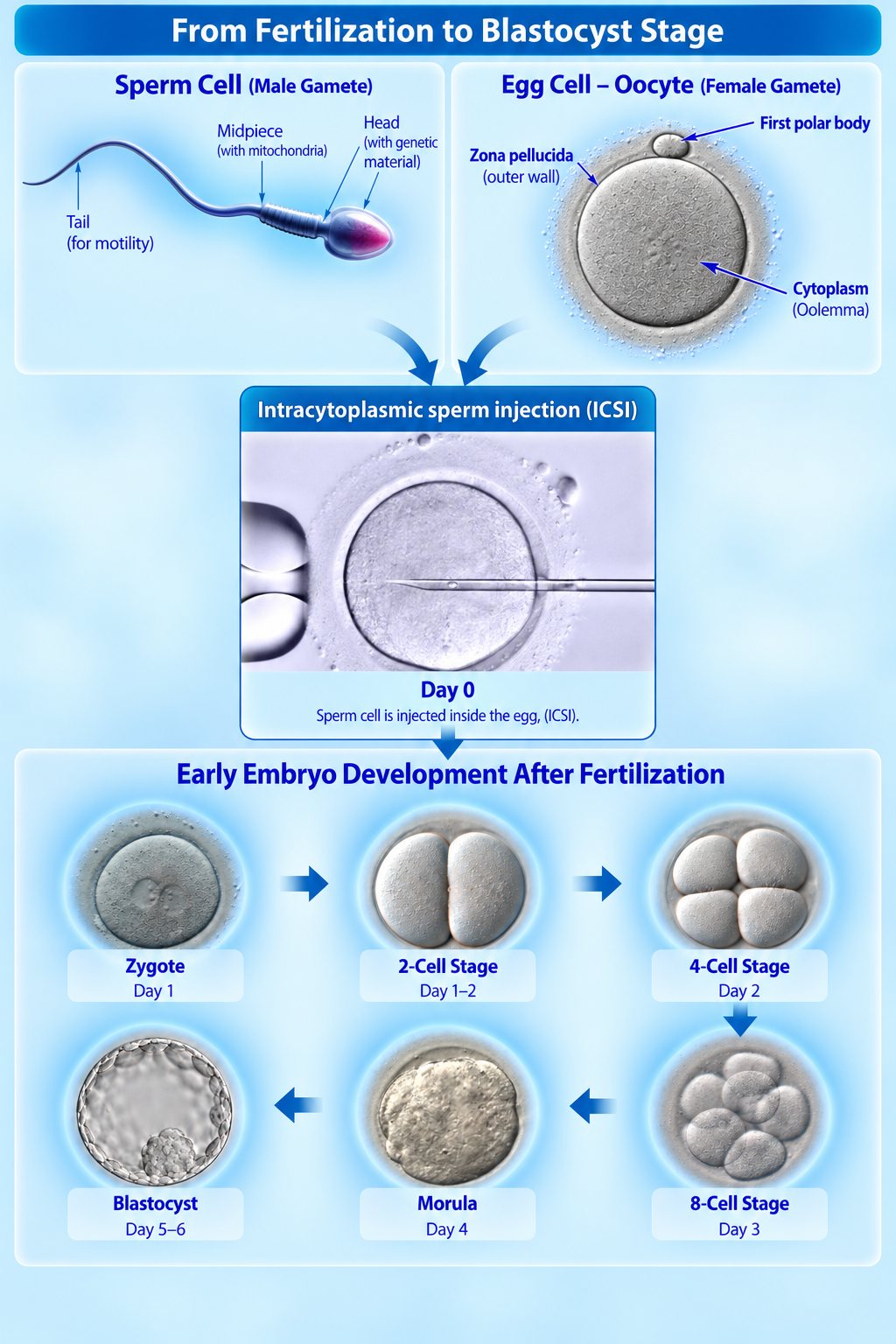
In vitro fertilization (IVF) is a fertility treatment in which eggs and sperm are brought together in the laboratory, allowing fertilization to occur outside the body.
During a typical IVF treatment, hormonal injections are used to stimulate the ovaries, allowing several follicles to develop. Follicles are small fluid-filled structures in the ovaries that contain developing eggs. The follicles are monitored using ultrasound examinations and blood tests. When the follicles are ready, a trigger injection is given to promote final egg maturation, and egg collection is usually scheduled approximately 36 hours later.
The eggs are collected using a fine needle under ultrasound guidance and are then transferred to the IVF or embryology laboratory. There, the eggs are fertilized with sperm using either conventional IVF or, when indicated, intracytoplasmic sperm injection (ICSI).
Following fertilization, the resulting embryos are carefully monitored as they develop, usually for 5–6 days, until they reach the blastocyst stage.
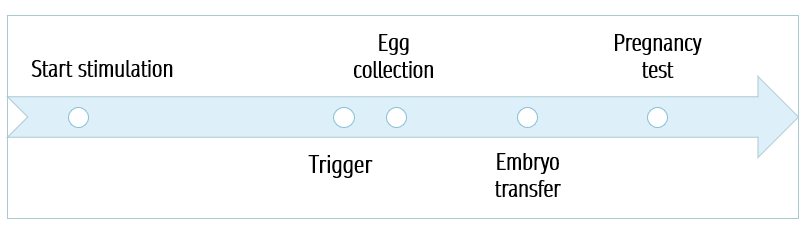
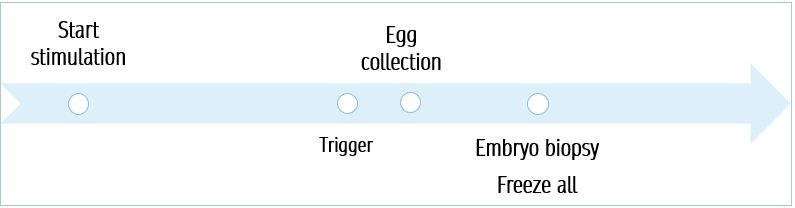
A suitable embryo may then be transferred into the uterus as a fresh embryo transfer, that is after 5 to 6 days from the egg collection day. Any appropriate additional embryos may be frozen for possible future use, depending on their quality and your treatment plan. Nowadays, we commonly use the freeze all approach, where all suitable embryos are frozen and the transfer is carried out 1–2 months later in a frozen embryo transfer cycle.
Who may benefit from IVF?
IVF may be considered for a variety of fertility problems, including:
- Blocked or damaged fallopian tubes (tubal factor)
- Ovulation disorders
- Reduced ovarian reserve
- Endometriosis
- Fertility problems related to age
- Male-factor infertility
- Previous unsuccessful fertility treatments
- Unexplained infertility
- Situations where genetic testing of embryos is being considered
- Family balancing (gender selection)
- Other circumstances where IVF offers an appropriate treatment option
What are the stages of IVF treatment?
A typical IVF treatment cycle generally involves several stages and may take several weeks from the beginning of medication to pregnancy testing.
1. Ovarian stimulation
Medications containing fertility hormones are used to stimulate the ovaries so that several follicles can develop during the treatment cycle. The aim is to obtain an appropriate number of mature eggs while maintaining your safety throughout treatment.
2. Ultrasound monitoring
The ovaries are monitored using ultrasound examinations during stimulation. You will visit the clinic 3–4 times during the stimulation.
The number and size of follicles, together with other clinical information, help determine when the eggs are ready for collection.
3. Egg retrieval
When the follicles have reached the appropriate stage of development, the eggs are collected using a fine needle under ultrasound guidance. The procedure is performed with appropriate pain relief or anaesthesia according to the treatment plan.
4. Fertilisation
After egg retrieval, the eggs are taken to the embryology laboratory. Depending on the circumstances, fertilisation may be performed using conventional IVF or intracytoplasmic sperm injection (ICSI).
5. Embryo development
Following fertilisation, the embryos are carefully monitored in the laboratory for up to 5–6 days.
Not every egg will fertilise, and not every fertilised egg will continue developing into an embryo suitable for transfer. This is a normal part of human reproduction and IVF treatment.
6. Embryo transfer
An embryo is selected and transferred into the uterus using a thin catheter. The remaining suitable embryos may be cryopreserved for future treatment.
Depending on your individual circumstances and treatment plan, suitable additional embryos may be cryopreserved for future use.
7. Pregnancy test
A pregnancy test is performed at the appropriate time following embryo transfer. This is usually around 10 days after the transfer of a blastocyst stage embryo.
Why is the same IVF protocol not appropriate for every patient? IVF is not one-size-fits-all
One of the most important aspects of fertility treatment is recognising that the same IVF protocol is not appropriate for every patient.
Individualized stimulation protocols should be used for each woman according to one’s:
- Ovarian reserve tests
- Hormone levels
- Follicular development during stimulation
- Previous treatment history (response to hormones, egg quality and number collected, outcome of treatment etc.)
- Sperm parameters
The objective is not simply to collect as many eggs as possible. It is to create the best possible conditions for obtaining mature eggs, developing viable embryos and achieving a healthy pregnancy while keeping treatment as safe as possible.
2. Ovarian Stimulation
What is ovarian stimulation?
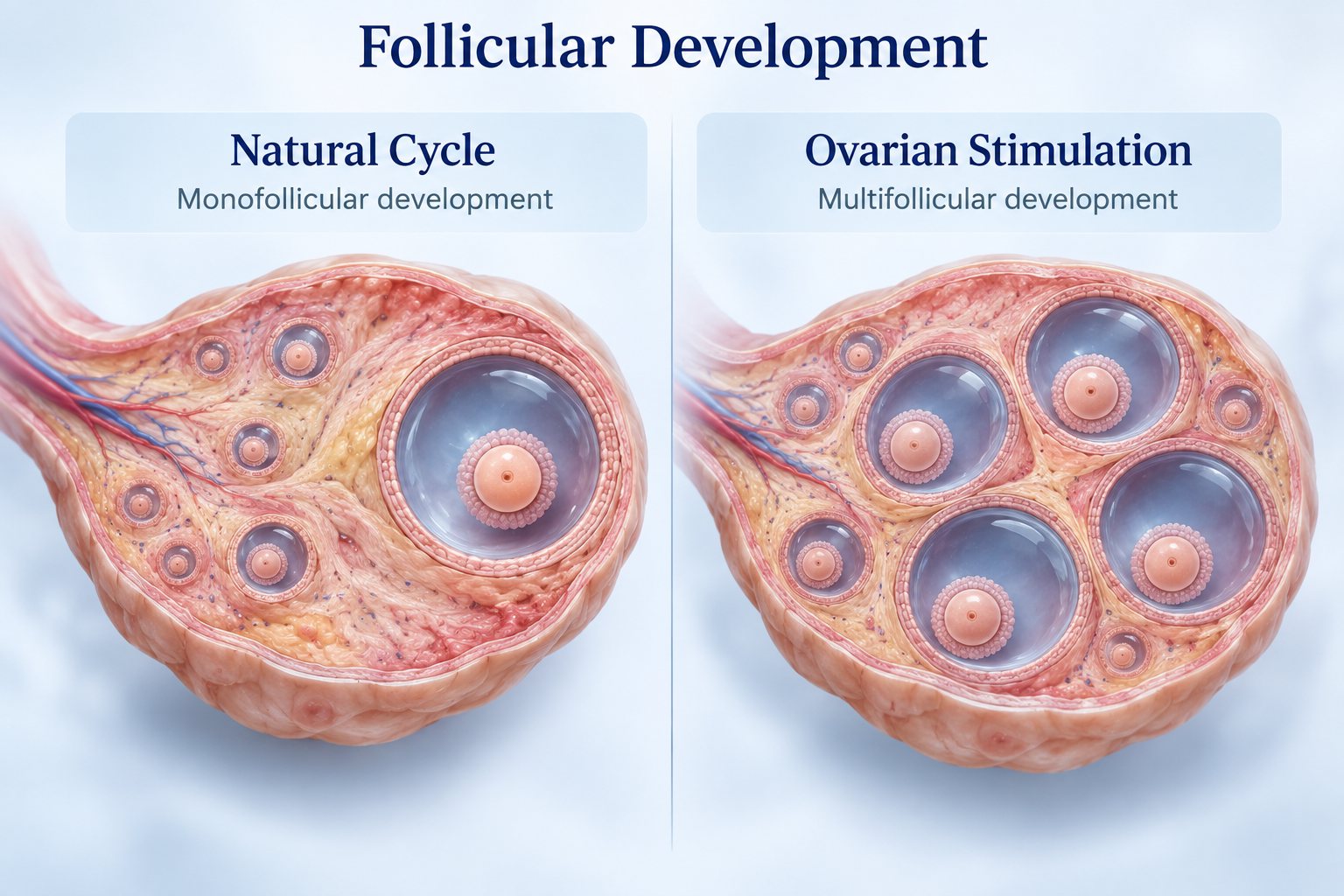
Ovarian stimulation is the first stage of most IVF treatments. It usually lasts 8–12 days, depending on your treatment protocol and how your ovaries respond. During this time, you will use hormone injections to help several follicles develop, rather than the single follicle that typically matures during a natural menstrual cycle. Follicles are small, fluid-filled sacs in the ovaries that may contain an egg.
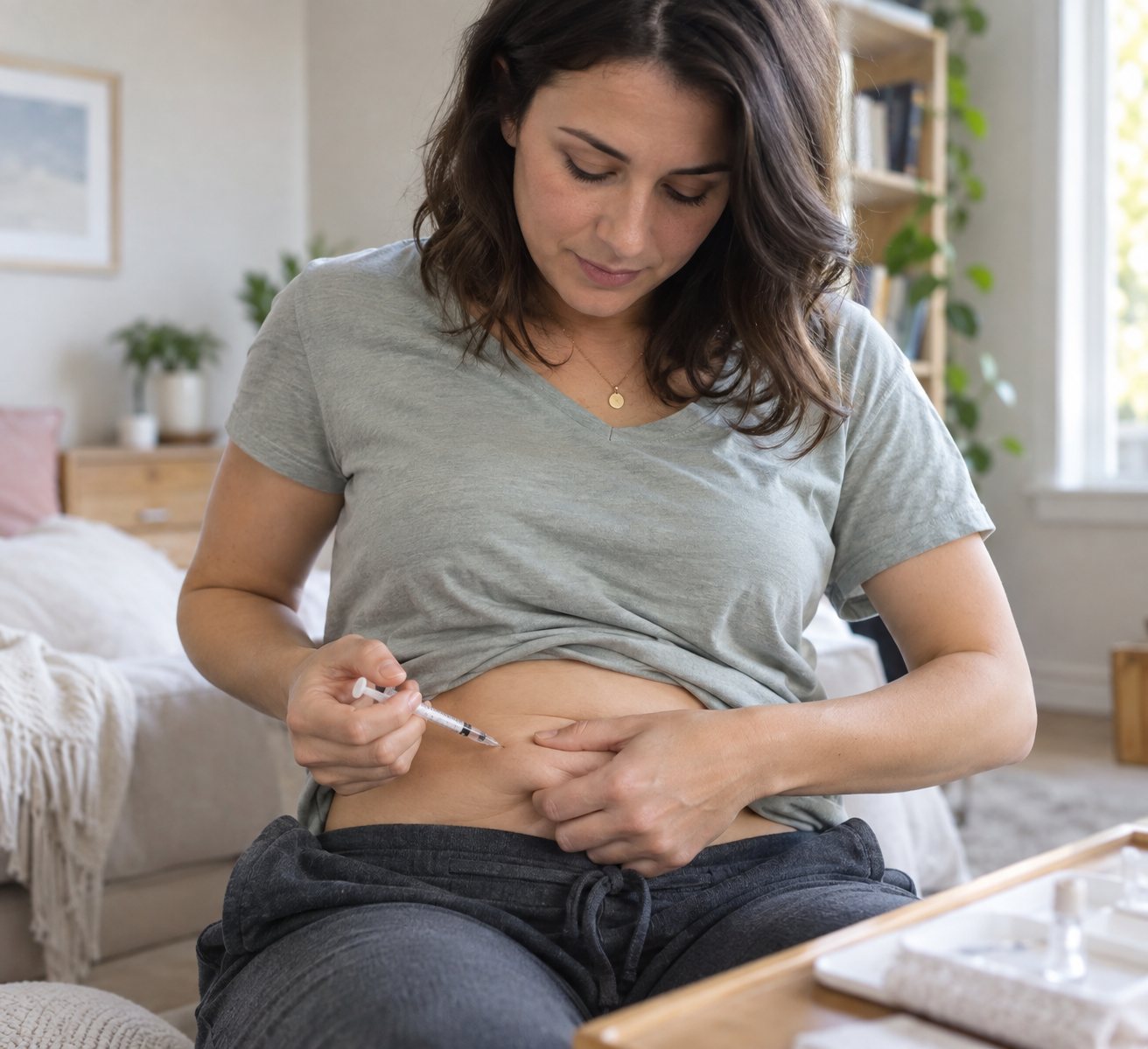
These injections are usually given just beneath the skin (subcutaneously). Most people find them manageable, although you may experience mild discomfort or irritation at the injection site.
The aim of ovarian stimulation is to support the development of multiple follicles so that an appropriate number of mature eggs can be collected for fertilization, while minimizing the risk of overstimulation.
During ovarian stimulation, we will monitor your response with regular ultrasound scans to assess follicle growth and, when needed, blood tests to check hormone levels. Your medication doses and treatment schedule may be adjusted according to your response.
When the follicles have reached a suitable size, a trigger injection helps the eggs complete their final maturation. Egg collection is usually scheduled approximately 36 hours later, before ovulation occurs. Taking the trigger injection at the exact time advised by your clinic is essential, as it determines the timing of egg collection.
Why do we need more than one egg for IVF?
IVF can succeed with a single egg, but not every egg collected will be mature, fertilize successfully, or develop into an embryo suitable for transfer. Even when an embryo is transferred, it may not implant or lead to a live birth.
Collecting several eggs increases the opportunity to obtain a suitable embryo and may provide additional embryos to freeze for future treatment. These can offer further chances of pregnancy without another ovarian stimulation and egg collection.
The aim is to obtain an appropriate number of mature eggs for your individual circumstances while keeping treatment safe. Having more eggs does not guarantee success, and it does not mean that more than one embryo needs to be transferred at a time.
What is the difference between natural cycle, mild and conventional IVF?
IVF can be performed using different approaches to ovarian stimulation. The choice depends on your ovarian reserve, previous response to treatment, medical history, and preferences.
In natural-cycle IVF, no medication is used to stimulate the growth of multiple follicles. Instead, the team monitors the single follicle that usually develops during a natural menstrual cycle and aims to collect its egg before ovulation.
In modified natural-cycle IVF, treatment follows the natural cycle but includes some medication—for example, to prevent premature ovulation or help time the final maturation and collection of the egg. A small amount of stimulation medication may also be used.
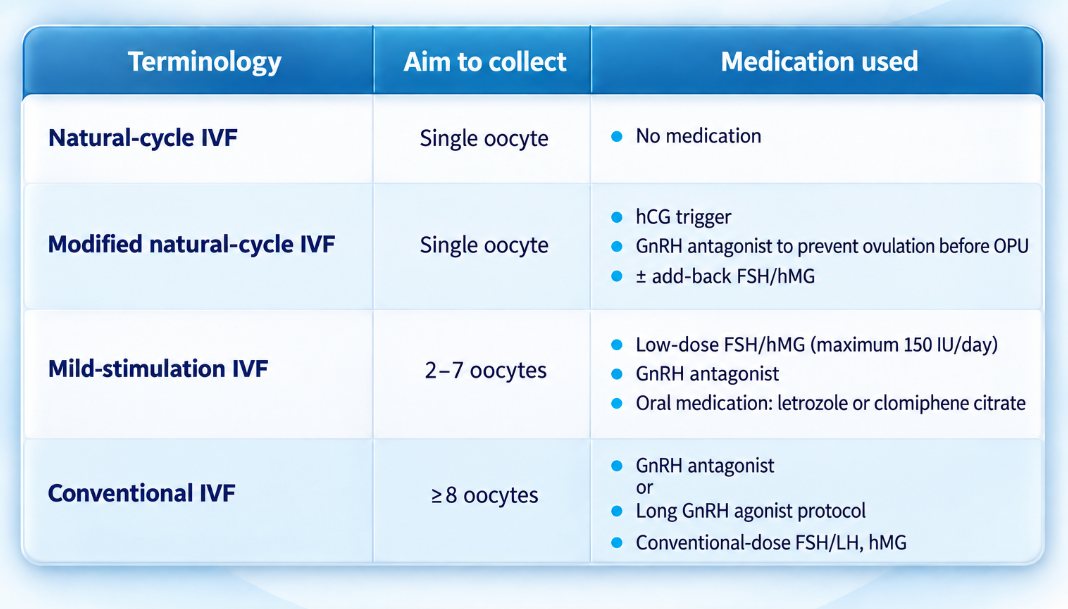
Mild or minimal stimulation IVF uses lower doses and shorter course of stimulation medication than conventional IVF. The aim is to collect a smaller number of eggs—for example, approximately 2–7 eggs, depending on the protocol and your ovarian response. These approaches reduce medication use but usually provide fewer eggs and potentially fewer embryos per collection.
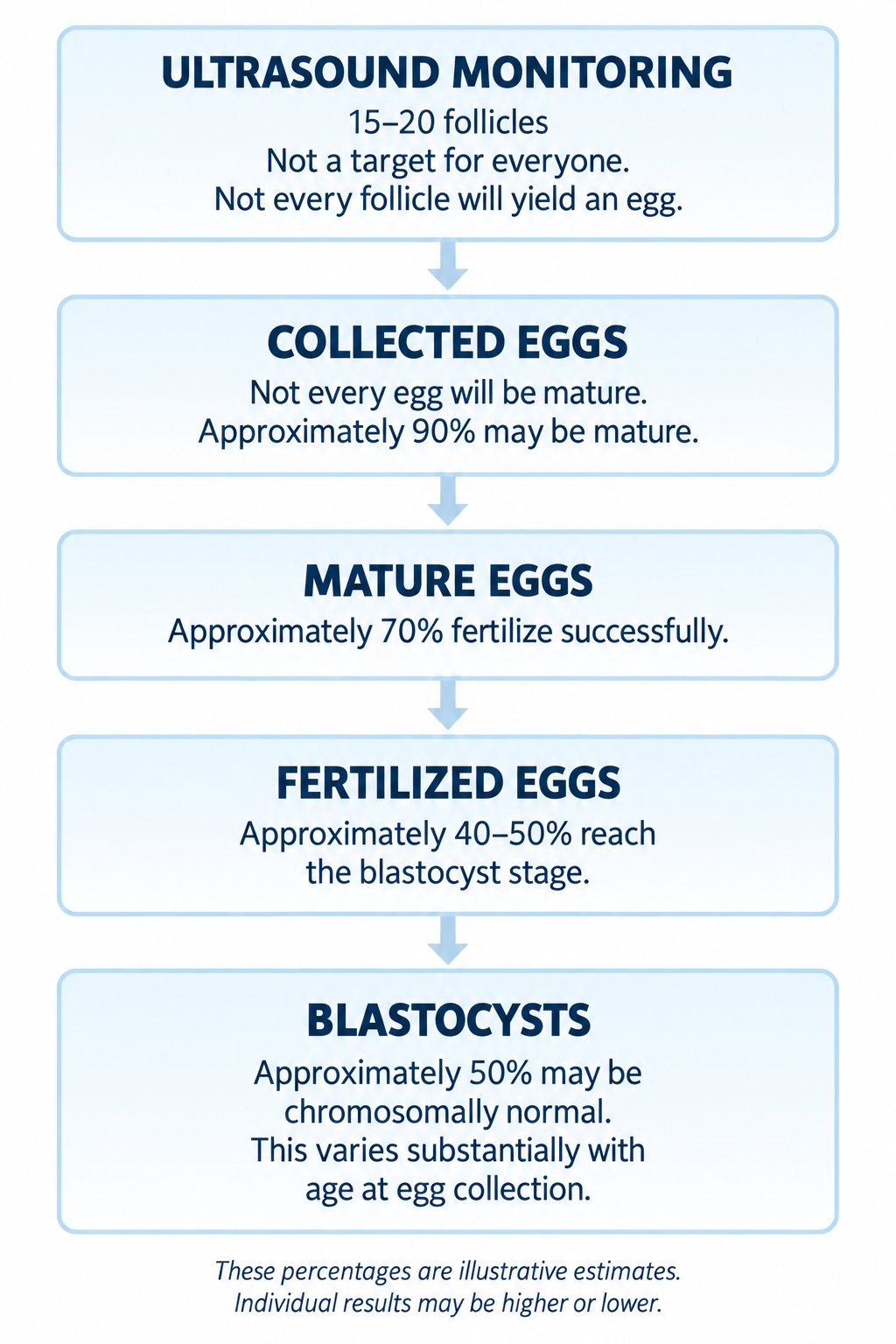
Conventional stimulation IVF aims to develop several follicles at the same time. In someone expected to respond normally, an illustrative treatment goal might be 10–20 growing follicles, with the hope of collecting around 15 eggs. These figures are not fixed targets or guaranteed results: the plan is individualised to balance egg yield with safety, particularly the risk of ovarian hyperstimulation syndrome (OHSS).
The number of follicles seen on ultrasound will not necessarily match the number of eggs collected, and not every collected egg will be mature. We will explain the expected response and the most appropriate approach for you.
What are gonadotropin injections?
During IVF, we generally stimulate the ovaries to develop several follicles—the fluid-filled sacs containing eggs—rather than the single follicle that usually develops in a natural cycle. This allows more eggs to be collected and fertilized, increasing the opportunity to create embryos.
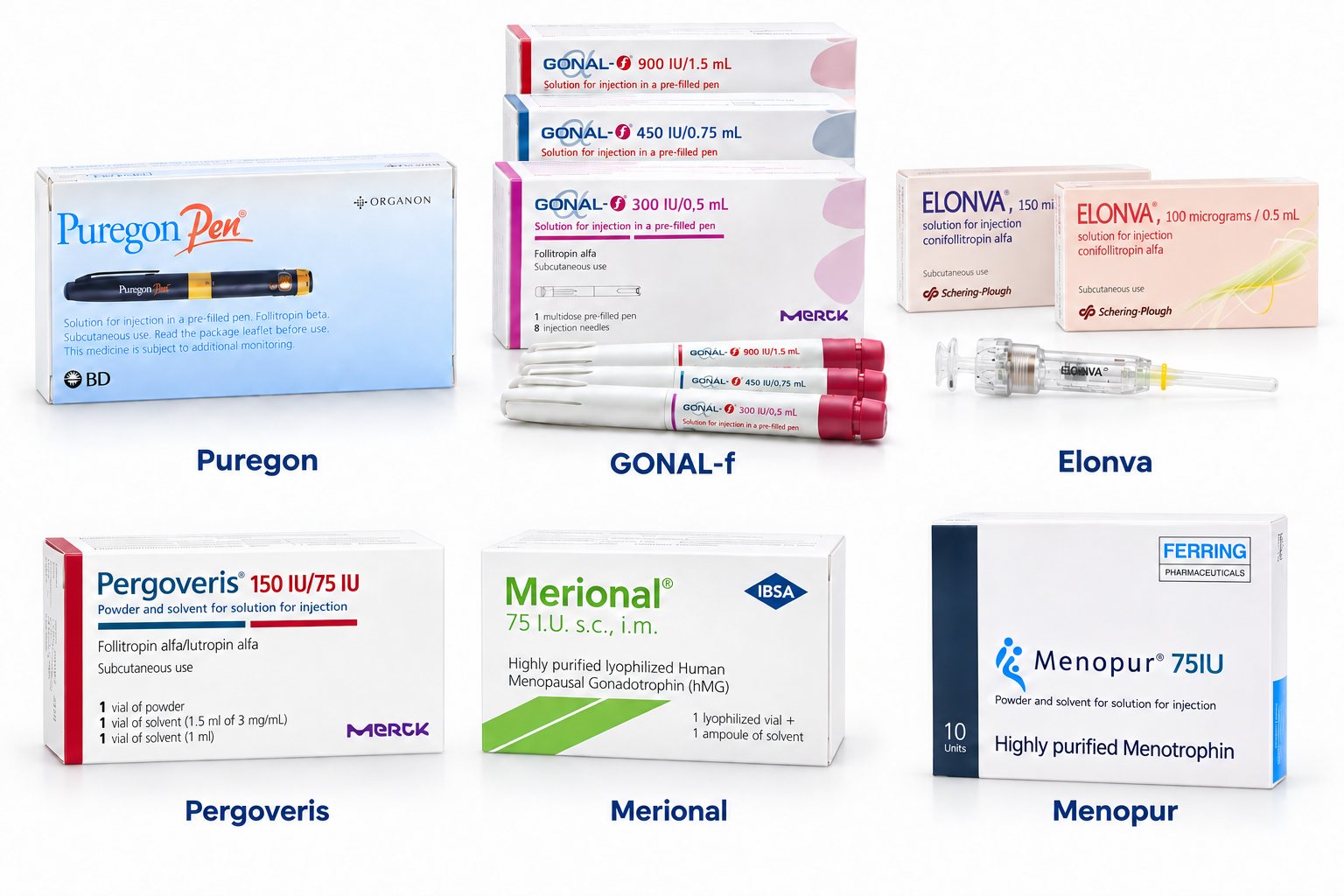
Gonadotropin injections are the fertility medicines used for this purpose:
- FSH preparations, such as Gonal-f and Puregon, contain follicle-stimulating hormone, which encourages follicle growth. Elonva contains corifollitropin alfa, which has prolonged FSH activity.
- Preparations providing both FSH and LH activity, such as Pergoveris, Menopur and Menogon, may also be used to support follicle development.
Depending on the product, these medicines come as prefilled pens or syringes, cartridges for reusable pens, or powders that need mixing before injection. The choice of preparation and dose depends on your individual needs and local availability.
Most injections are given under the skin (subcutaneously), although some formulations can also be given into a muscle (intramuscularly).
Stimulation commonly lasts around 8–12 days, but may take longer depending on your response. Most preparations require daily injections; a single Elonva injection can replace the first seven daily FSH injections in suitable patients. Daily FSH may then be needed.
We will tailor your dose and monitor your response with ultrasound scans and, when needed, blood tests.
What injections are used to prevent ovulation?
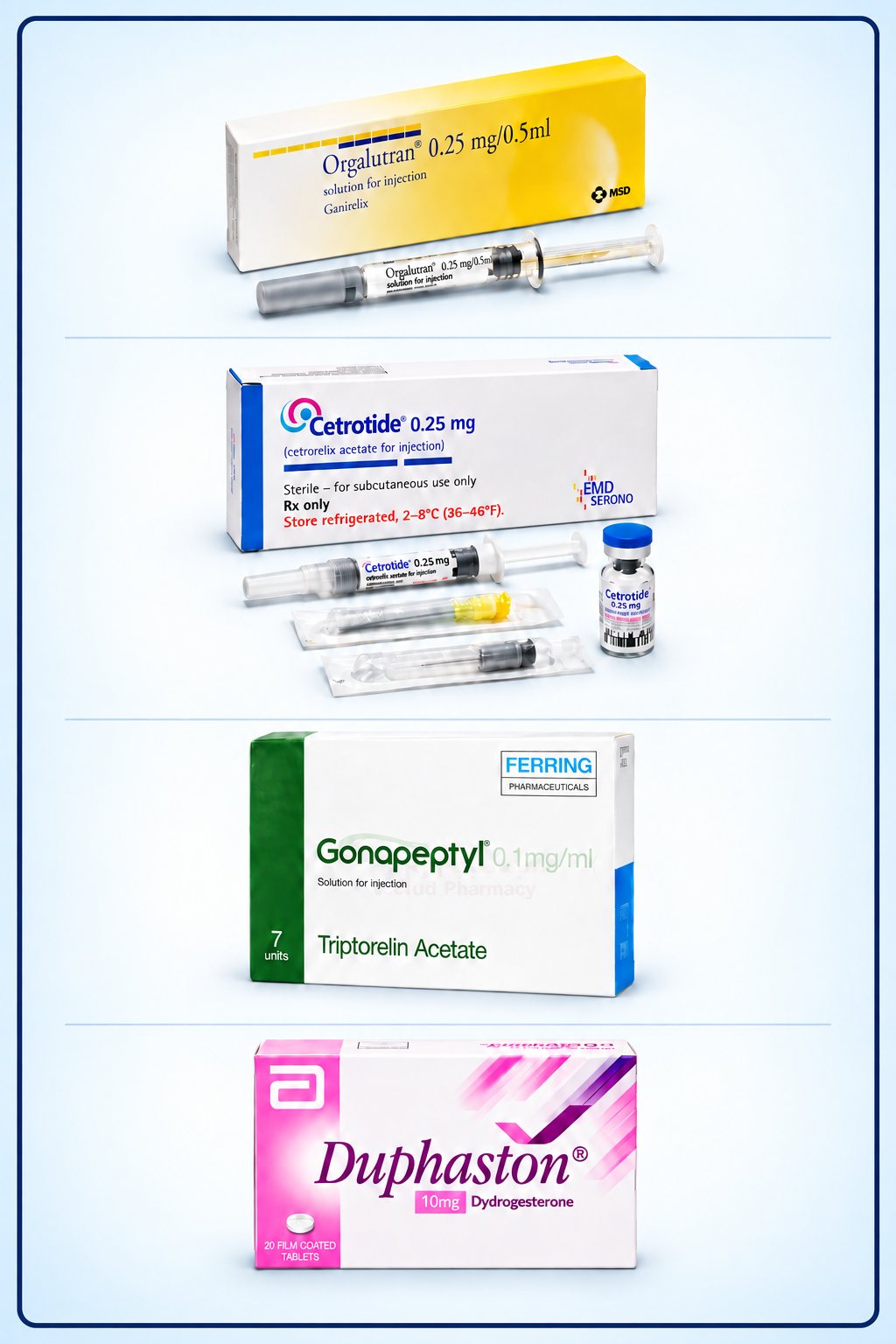
During IVF treatment, alongside the gonadotropin injections, you will also be using GnRH antagonists, GnRH agonists or progestins to prevent the natural surge of luteinising hormone (LH) that would cause eggs to be released before egg collection.
GnRH antagonists, such as cetrorelix (Cetrotide) and ganirelix (Orgalutran), block this hormone signal immediately. They are usually given as daily injections under the skin, starting around day 5–6 of stimulation or according to follicle growth and taken until the day of the trigger injection.
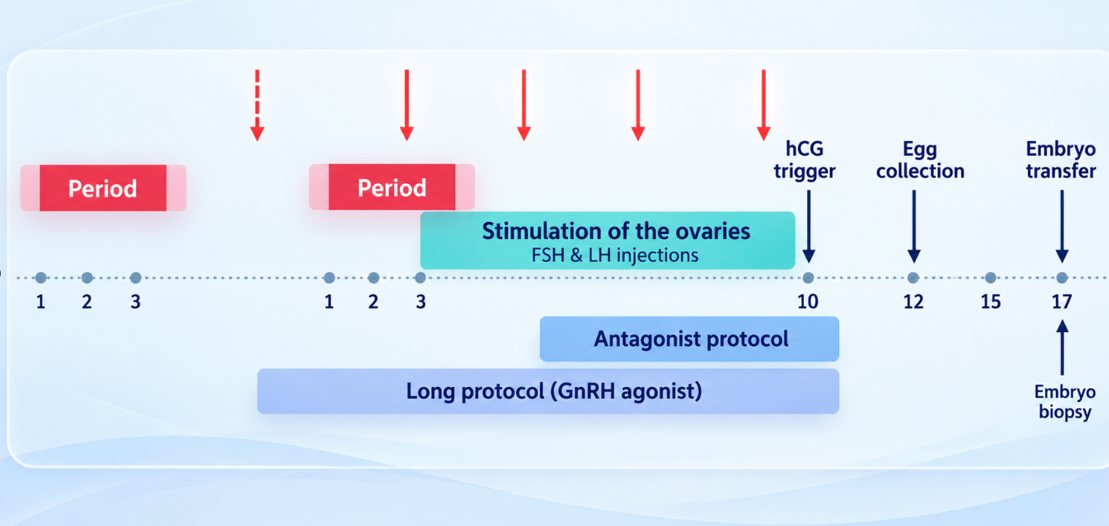
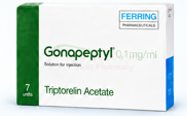
GnRH agonists, such as triptorelin (Gonapeptyl), initially stimulate hormone release but then suppress it when used continuously. In a long agonist protocol, treatment usually begins in the previous menstrual cycle on cycle day 21, approximately 10 days before stimulation, and continues during stimulation until the trigger injection.
Progestins, such as dydrogesterone (Duphaston), can be taken as tablets during stimulation to suppress the LH surge. This approach is called progestin-primed ovarian stimulation (PPOS). It is used when eggs or embryos will be frozen, because progestins alter the timing of uterine lining development, making it unsuitable for a fresh embryo transfer in that cycle.
We will select the medication and schedule according to your treatment plan. Follow our instructions carefully, as the timing helps prevent premature ovulation.
What is the difference between antagonist and agonist protocol?
During IVF, we use gonadotropin injections to stimulate the ovaries to develop several follicles. Alongside these, we give medication to suppress the natural surge of luteinising hormone (LH), helping prevent ovulation before egg collection.
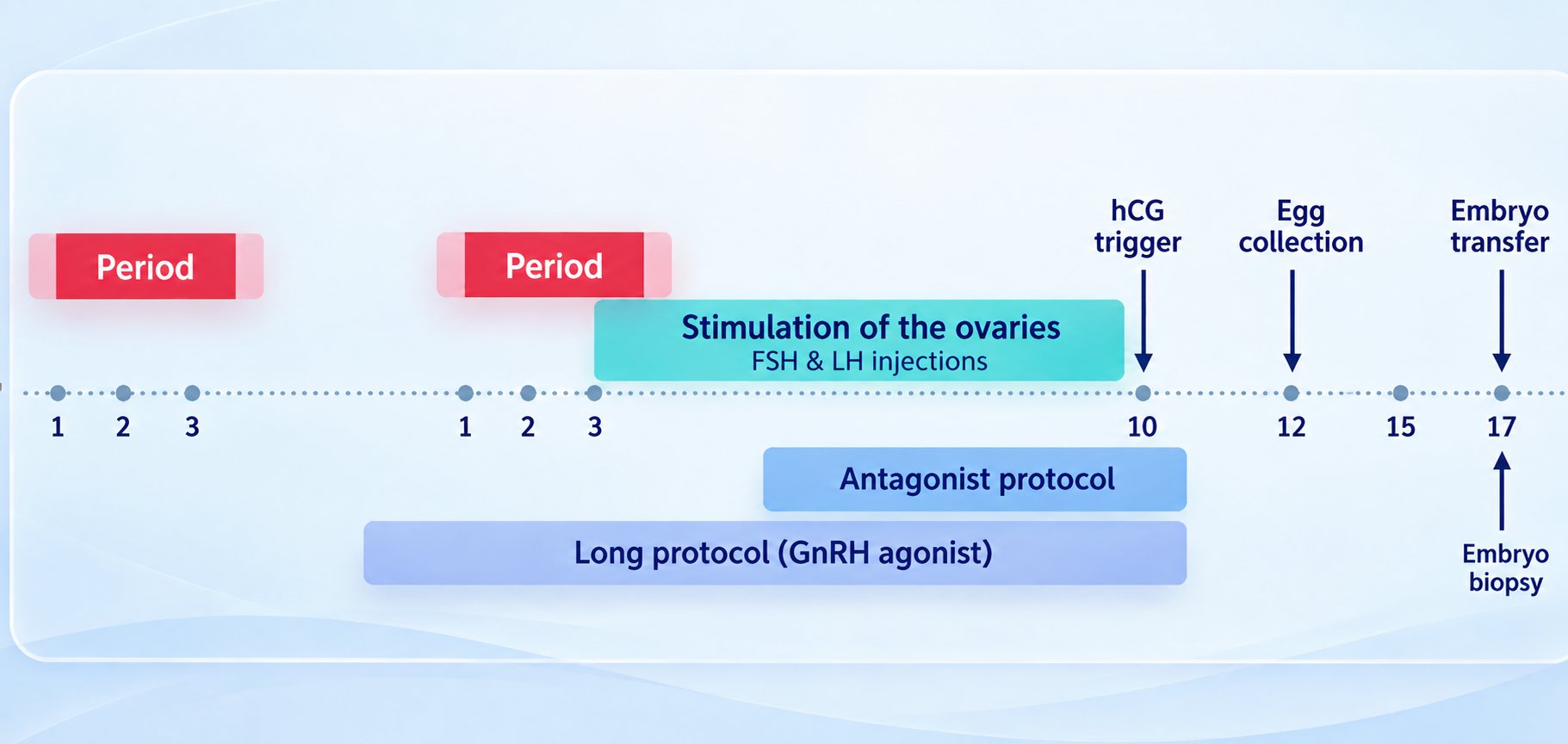
The two main approaches are the antagonist protocol and the long agonist protocol. They differ in how the suppressing medication works and when it starts.
Antagonist protocol: Stimulation injections usually begin on day 2 or 3 of your period. A second medication, called a GnRH antagonist, is added after approximately 5–6 days, or according to follicle growth, to prevent premature ovulation. Treatment is shorter overall. This protocol also allows a GnRH agonist trigger to be used for final egg maturation, particularly when many follicles develop, helping further reduce the risk of ovarian hyperstimulation syndrome (OHSS).
Long agonist protocol: A GnRH agonist is usually started around day 21 of the previous menstrual cycle to temporarily suppress your natural reproductive hormones. After approximately 10–14 days, once adequate suppression is confirmed, gonadotropin injections begin while the suppressing medication continues. This makes the overall treatment longer.
The antagonist protocol is often preferred because it offers a shorter treatment course and a lower risk of OHSS, with comparable effectiveness for most patients.
Both approaches are effective. We will recommend a protocol based on your ovarian reserve, previous treatment response, risk of OHSS, and individual needs.
What is a trigger shot?
The trigger shot or injection helps eggs complete their final maturation before egg collection. During this process, eggs resume cell division called meiosis, normally reducing their chromosome number from 46 to 23. Mature eggs retrieved at egg collection are then ready for fertilization.
Your specialist chooses the trigger based on your stimulation protocol, ovarian response, risk of ovarian hyperstimulation syndrome (OHSS), and whether a fresh embryo transfer is planned.
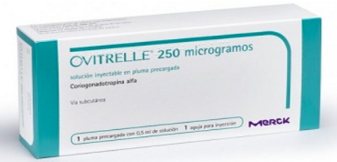
hCG trigger: Mimics the action of luteinising hormone (LH) to support final egg maturation. It is commonly used when OHSS risk is low and is suitable for both antagonist and long agonist protocols. Its longer-lasting action increases OHSS risk in patients with a high ovarian response. We commonly use Ovitrelle 250 micrograms.
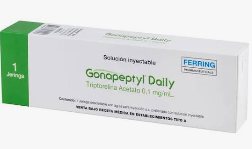
GnRH agonist trigger: Prompts the body to release a short surge of its own LH and follicle-stimulating hormone (FSH). Usually used in antagonist cycles, it greatly reduces the risk of developing OHSS. It is preferred when many follicles develop, particularly when all eggs or embryos will be frozen. We commonly use triptorelin 0.2–0.3 mg, using the Gonapeptyl 0.1 mg preparation, according to the prescribed dose.
Dual trigger: Combines a GnRH agonist with hCG. It may be considered in selected patients at low risk of OHSS, but a benefit over a single trigger has not been consistently demonstrated, and it is not routinely used. Adding hCG increases OHSS risk compared with an agonist-only trigger.
Timing is essential: Use only the dose prescribed for you and take your trigger at the exact time instructed by your clinic.
The egg collection procedure will usually be planned 36 hours after the trigger injection.
How is ultrasound monitoring done during stimulation?
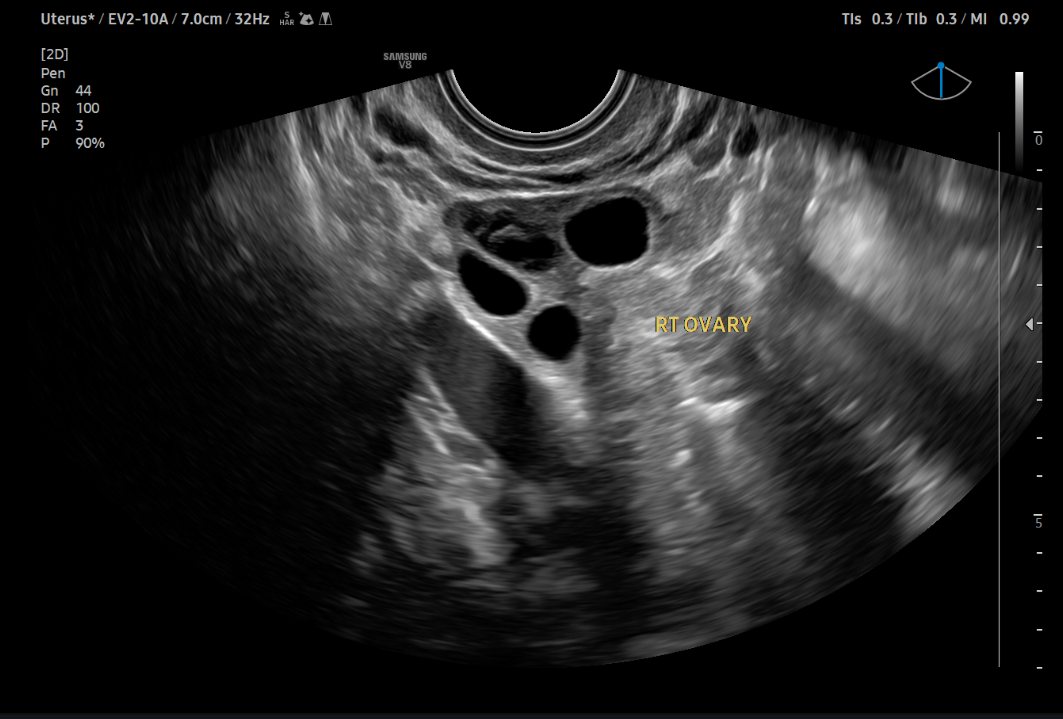
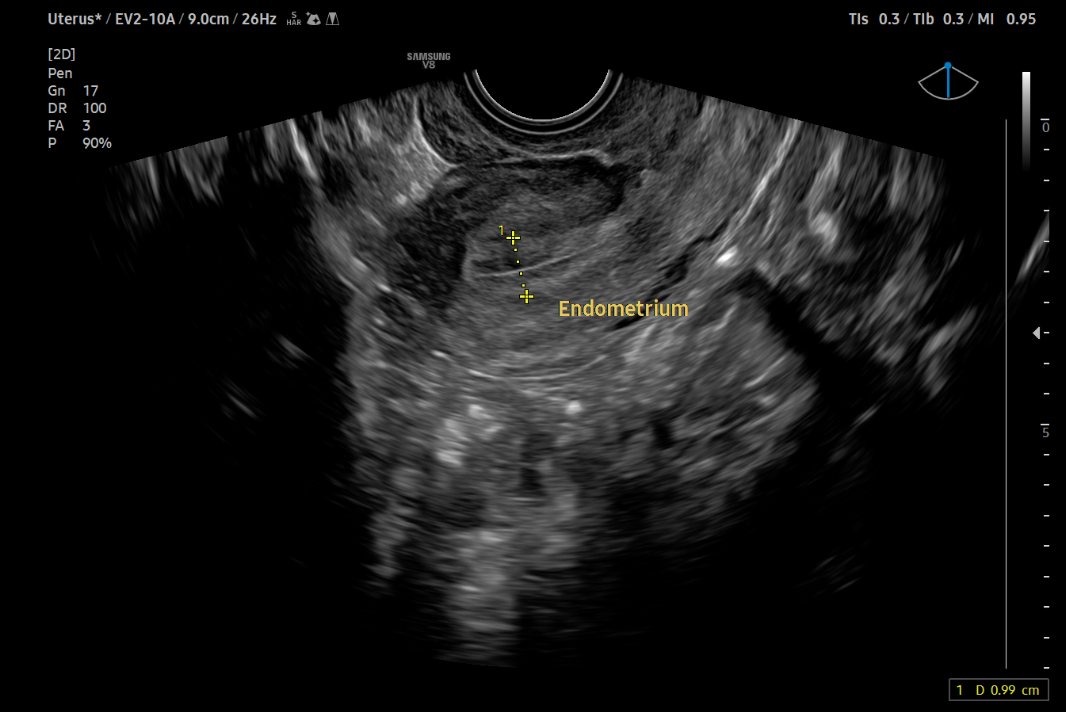
During IVF, monitoring of your treatment is usually performed using transvaginal ultrasound scans, sometimes alongside hormone blood tests. If a vaginal scan is unsuitable or declined, transabdominal ultrasound (over the abdomen) or, in selected cases, transrectal ultrasound (through the rectum) may be considered. The approach is based on clinical suitability and your preferences and consent.
During a transvaginal scan: You will be asked to empty your bladder, undress from the waist down, and lie on an examination couch. A clinician gently inserts a covered ultrasound probe into the vagina to view both ovaries and the uterus. The scan usually takes about 10 minutes, and you may feel pressure or discomfort. Preparation differs for other scan types; an abdominal scan usually requires a full bladder.
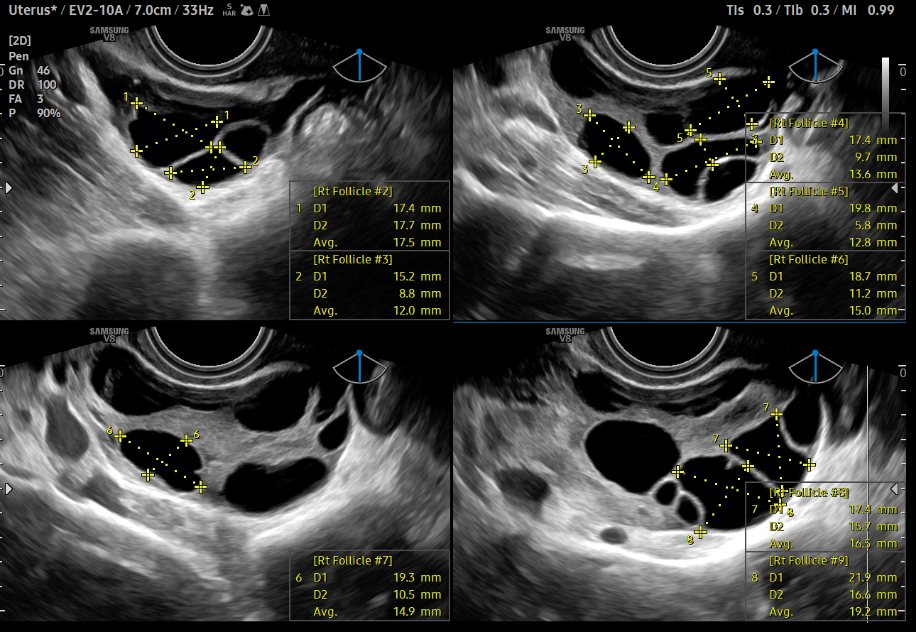
What is measured: The clinician measures the number and size of growing follicles—the fluid-filled sacs containing eggs—and the thickness of the uterine lining (endometrium). The eggs themselves cannot be seen on ultrasound.
When scans happen: A baseline scan is often performed on day 2 or 3 of your period, before stimulation begins. Repeat scans may start around five days after injections begin, depending on your treatment protocol. Further scans are scheduled according to your response.
The results help your team assess your response, adjust treatment if needed, and decide when to give the trigger injection before egg collection. At some visits, you may also have blood tests to check your hormone levels.
The type and exact trigger timing depends on the number and size of developing follicles, any relevant hormone results, and your individual treatment plan.
What is ovarian hyperstimulation syndrome (OHSS)?
Ovarian hyperstimulation syndrome (OHSS) is a complication of ovarian stimulation in which the ovaries become enlarged and fluid can leak into the abdomen. It usually develops after the trigger injection or egg collection and may worsen or last longer if pregnancy occurs.
OHSS is classified according to severity:
- Mild: Mild abdominal bloating, discomfort and nausea.
- Moderate: Increasing abdominal swelling and pain, sometimes with vomiting. Fluid accumulation in the abdomen is visible on ultrasound.
- Severe: Marked abdominal swelling, dehydration, reduced or dark urine, persistent vomiting or breathlessness. Blood tests may show concentrated blood or impaired kidney function.
- Critical: Rarely, OHSS may be severe enough to require treatment in an intensive care unit, with complications such as blood clots, very little or no urine, severe breathing difficulties or organ failure.
Is OHSS preventable?
The risk of OHSS can be greatly reduced, although it cannot be completely eliminated. Prevention starts with assessing your individual risk and tailoring your IVF treatment.
The main strategies to reduce the risk of OHSS include:
- Individualised stimulation doses: Choosing the medication dose according to your ovarian reserve and previous response.
- An antagonist protocol: This lowers OHSS risk and allows an agonist trigger to be used.
- Careful monitoring: Ultrasound scans and, when needed, hormone tests help identify an excessive response.
- A GnRH agonist trigger: In suitable cycles, this is used instead of hCG to substantially reduce the risk.
- Freezing all embryos: Delaying embryo transfer avoids pregnancy-related late OHSS in that treatment cycle, but does not eliminate early OHSS.
- Preventive medication: Cabergoline (Dostinex) may be prescribed for patients at increased risk, particularly when hCG is used.
- Occasionally cancelling the cycle: If the risk remains unacceptably high, withholding the trigger may be the safest option.
For patients at high risk, an antagonist protocol with an agonist trigger and freeze-all approach is a particularly effective prevention strategy.
When does OHSS develop?
- Early OHSS: usually develops within 7 days of the hCG trigger injection. It is mainly related to the ovarian response to stimulation and the trigger.
- Late OHSS: usually develops 10 or more days after the trigger injection. It is driven by rising hCG levels from a developing pregnancy, and it may be more severe and last longer.
What is the treatment for OHSS?
Your clinician determines the severity using your symptoms, examination, ultrasound findings and blood tests. Treatment depends on the severity of OHSS.
Mild and some moderate cases can be managed at home with close clinic monitoring, fluids according to thirst and recommended pain relief. Gentle movement is encouraged, but strenuous exercise and intercourse should be avoided while the ovaries are enlarged.
Severe or critical cases will require hospital care, which may include intravenous fluids, medication to prevent blood clots and drainage of abdominal fluid. Most cases improve within one to two weeks, although recovery may take longer during pregnancy.
Contact your clinic promptly if symptoms worsen.
Seek emergency care for difficulty breathing, chest pain, fainting or sudden severe abdominal pain.
Prevention of OHSS: Individualized stimulation, careful monitoring and, when appropriate, an agonist trigger with freezing of all embryos can reduce the risk.
3. Egg Collection
What is an egg collection procedure?
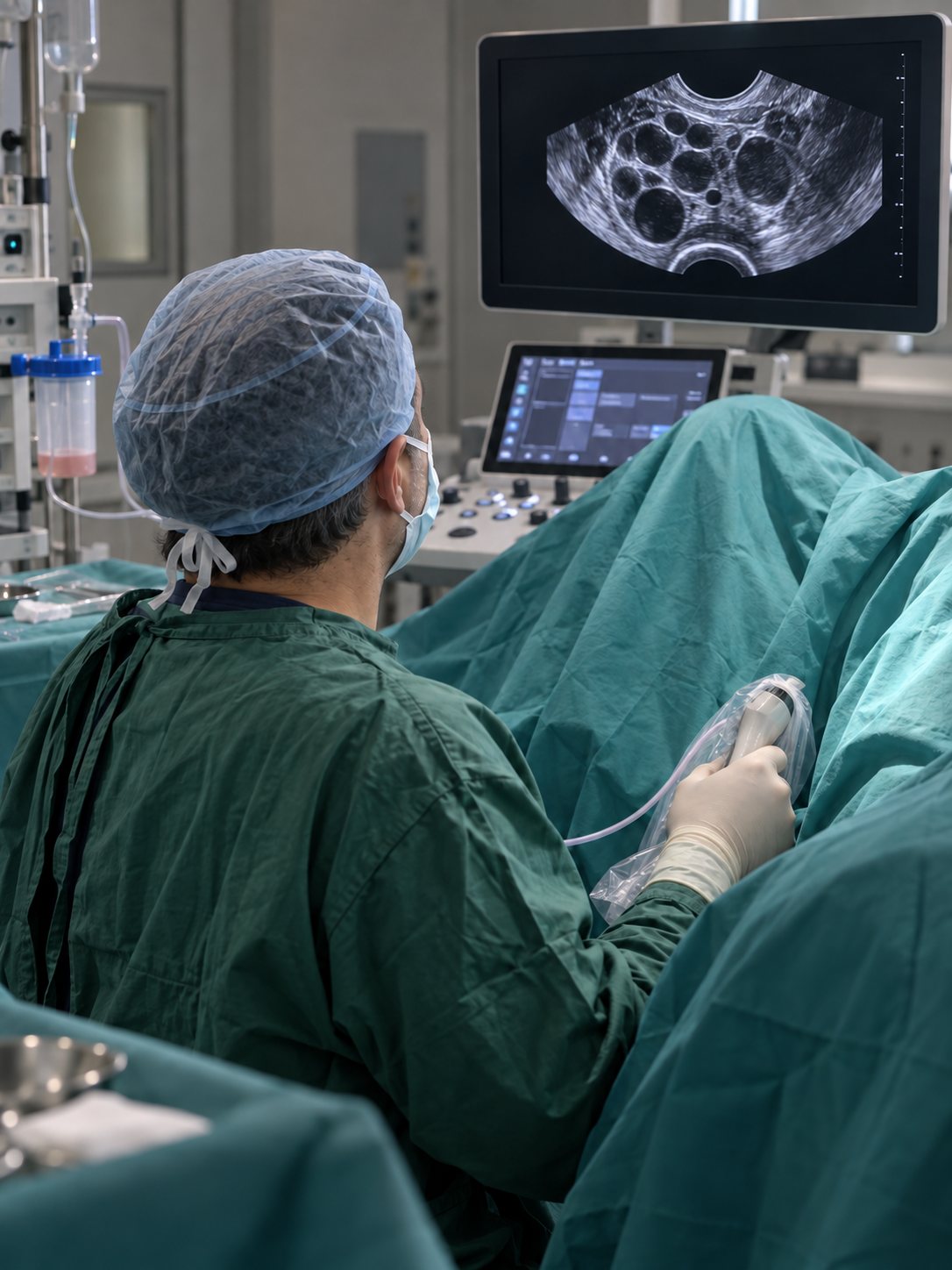
Egg collection, also called egg retrieval or oocyte pick-up (OPU), is a short procedure to collect eggs from the ovaries. It is usually scheduled 34–36 hours after the trigger injection, before ovulation occurs.
The procedure takes place in an operating theatre or a dedicated procedure room. Your fertility doctor, anaesthetist, nurses, technicians and embryologists work together to care for you and your eggs.
Egg collection is usually performed under sedation or anaesthesia, with medication given through a small cannula in your hand or arm. Local anaesthesia may be an option in selected cases.
A vaginal ultrasound probe helps the doctor locate your ovaries and visualise the follicles. A fine needle is guided through the vaginal wall into the ovarian follicles. Fluid is gently withdrawn from each follicle in turn and collected in warmed, sterile tubes. These tubes are promptly passed to an embryologist, who examines the fluid under a microscope to identify and collect the eggs.
How long it takes: Egg collection generally takes 15–30 minutes, depending on the number of follicles and how easily the ovaries can be reached.
Alternative approaches: If a vaginal procedure is unsuitable or you wish to avoid it, your doctor can discuss other options. In selected cases, eggs may be collected through the abdominal wall (trans-abdominal retrieval) or by keyhole surgery (laparoscopy). A transrectal approach, through the back passage, may also be considered following bowel preparation. Your doctor will discuss the suitability, benefits and risks of each option with you.
What happens to my eggs?
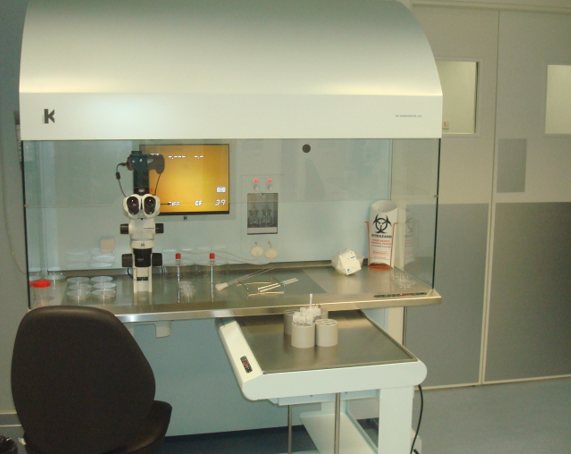
During egg collection, follicular fluid is drawn into sterile tubes, which are kept warm at approximately 37°C to help protect the eggs. The tubes are promptly passed to the embryology team, often through a connecting window between the procedure room and the laboratory.
An embryologist examines the fluid in laboratory dishes under a microscope to identify and collect the eggs. The eggs are then washed, placed in a special nutrient solution called culture medium, and kept in an incubator under carefully controlled conditions until fertilization or freezing.
Not every follicle yields an egg, so the number of eggs collected may be lower than the number of follicles seen on ultrasound during monitoring.
The embryology team confirms how many eggs were collected and prepares them for fertilisation using IVF or ICSI, or for egg freezing.
What are the risks associated with egg collection?
Egg collection is generally a safe procedure, and serious complications are uncommon.
Possible risks include:
- Difficulty retrieving eggs: Occasionally, an ovary cannot be reached safely, or fewer eggs—or no eggs—are collected despite follicles being visible on ultrasound.
- Pain and light bleeding: Mild cramping and vaginal spotting are common and usually settle within a few days.
- Infection: A pelvic infection may require antibiotics. Rarely, an abscess develops and needs drainage.
- Internal bleeding: Rarely, the needle may injure a blood vessel, causing bleeding that requires hospital treatment and, occasionally, surgery or a blood transfusion.
- Injury to nearby organs: Very rarely, the needle may damage the bowel, bladder or other surrounding structures.
- Sedation or anaesthetic complications: Nausea and drowsiness can occur. Serious allergic reactions or breathing problems are uncommon.
Contact your clinic promptly for worsening pain, fever, heavy bleeding, increasing abdominal swelling or reduced urine.
Seek emergency care for sudden severe pain, fainting, chest pain or difficulty breathing.
What should I do before the egg collection procedure?
Before coming for your egg collection procedure, please follow these instructions:
- Take your trigger injection at the exact time instructed. This is usually 36 hours before egg collection. If you miss the dose or take it at the wrong time, contact us immediately.
- Follow your fasting instructions carefully. We will tell you when to stop eating and drinking before sedation or anaesthesia.
- Follow your medication plan. We will advise you when to stop your IVF injections and which regular medicines to take on the morning of the procedure. Do not stop prescribed medicines without advice.
- Arrange for a responsible adult to accompany you home and stay with you afterwards, as advised by our team. Do not drive for at least 24 hours after sedation or anaesthesia, or longer if instructed.
- Shower before attending and wear comfortable clothing. Avoid perfume, nail polish, make-up and jewellery.
- Bring your ID card and an up-to-date medication list. Arrive at your scheduled time.
- If a fresh sperm sample is required, your partner should follow our instructions about abstinence and sample collection.
- Let us know if you feel unwell or develop new symptoms before the procedure.
Your personalised instructions take priority, as preparation may vary depending on your treatment and anaesthetic plan.
What happens after the egg collection procedure?
After egg collection, you will rest in the recovery area and then your room, usually for 2–4 hours, while we monitor you. Before you go home, we will explain how many eggs were collected, which medicines to take, and the next steps in your treatment.
What is normal? Mild period-like cramps, bloating and light vaginal spotting are common for a few days. These symptoms should gradually improve.
Looking after yourself at home:
- Arrange for a responsible adult to take you home and stay with you for the first 24 hours after sedation or anaesthesia. Avoid driving, alcohol, operating machinery and important decisions during this time.
- Rest on the day of the procedure, but take gentle walks as you feel able. Avoid strenuous exercise, heavy lifting and sexual intercourse until your clinic advises it is safe.
- Drink regularly according to thirst and eat as tolerated. Use sanitary pads for spotting.
- Take prescribed medicines, including progesterone if advised. For discomfort, use the pain relief recommended by your clinic.
- The embryology team will usually contact you the following day with the fertilization results.
What should I watch out for?
Contact us promptly if you develop:
- Worsening or persistent abdominal pain, or pain not relieved by the recommended medication.
- Increasing abdominal swelling or rapid weight gain.
- Persistent vomiting or difficulty keeping fluids down.
- Passing noticeably less urine, or very dark urine.
- Fever of 38°C or higher, chills, or foul-smelling discharge.
- Bleeding heavier than a normal period.
These symptoms may indicate ovarian hyperstimulation syndrome (OHSS) or another complication.
Contact your physician or clinic immediately for difficulty breathing, chest pain, fainting, sudden severe abdominal pain, or heavy bleeding with dizziness. Do not wait for your next appointment.